
The U.S. Buyer’s Guide to Buying Land and Building in Turks and Caicos
Planning to build a home, invest in land or develop a vacation rental in Turks and Caicos? Start with the right information.
Explore the key decisions involved in choosing land, investigating development potential, planning construction costs and managing a building project from overseas.
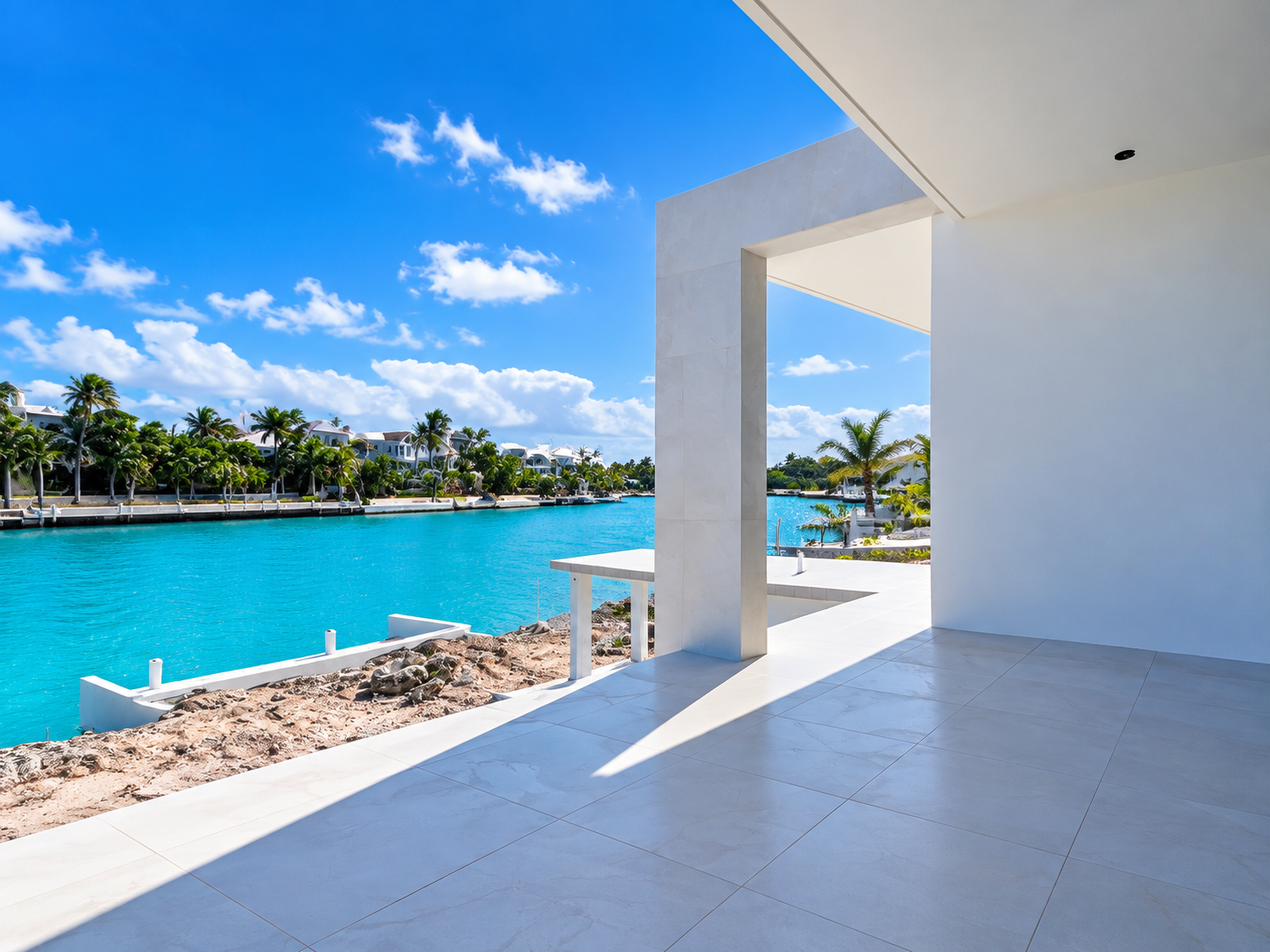
Planning Your Property Project in Turks and Caicos
Buying land and building in another country can be an exciting opportunity, but it also involves decisions that deserve careful consideration.
From selecting the right property and understanding development requirements to planning your budget and coordinating construction, the choices you make early can have a lasting impact on your project.
This guide is designed to help prospective property owners, particularly buyers from the United States and Canada, identify the questions to ask, the issues to investigate and the decisions to make before committing to a project.
Who is this guide for?
Buyers considering a private residence, second home or vacation-rental property in Turks and Caicos who want to better understand the land acquisition and development process.
Start with a Clear Plan
Define Your Property Goals
Before you begin comparing land or exploring building designs, establish what you want your property in Turks and Caicos to achieve. Your intended use, preferred location, project budget and plans for managing the property will influence almost every decision that follows.
01. Decide How You Will Use the Property
Begin by identifying the primary purpose of your purchase. A property designed for personal enjoyment may have very different requirements from one intended to generate rental income.
- Private residence: Prioritise everyday convenience, privacy, access and long-term suitability.
- Second home: Consider how frequently you will visit, who will maintain the property while you are away and how it will be secured.
- Vacation rental: Evaluate guest appeal, operating arrangements, applicable restrictions, insurance and realistic rental assumptions.
- Personal use and rental: Decide how you will balance personal stays with potential income-producing periods.
02. Identify Your Preferred Location
Location affects the type of property you can pursue, the experience it offers and the practical demands of development and ownership.
Consider the importance of:
- Beach access, views, privacy and surrounding development.
- Road access and proximity to shops, services and amenities.
- Utilities, site conditions, drainage and access during heavy rain.
- Planning requirements and the suitability of the location for your intended use.
Keep an open mind about specific parcels until their legal access, development potential and practical suitability have been investigated.
03. Establish Your Total Project Budget
Set a realistic budget for the complete project, not just the purchase price of the land or the headline cost of construction.
Your preliminary budget should consider:
- Land purchase and transaction-related expenses.
- Legal services, surveys and property investigations.
- Architectural, engineering and other professional fees.
- Planning approvals, site preparation and utility connections.
- Construction, finishes, furnishings and external works.
- Financing costs, insurance and an appropriate contingency.
Costs depend on the specific property, design and project requirements. Obtain property-specific estimates before making financial commitments.
04. Consider Financing and Insurance Early
If you expect to use borrowing, establish your likely funding requirements before committing to a parcel. Lending terms, deposit requirements, construction funding and timing can influence the project you can reasonably undertake.
Investigate insurance availability and requirements early, including cover during construction and for the completed property. If you plan to operate a vacation rental, confirm that the intended use can be insured on acceptable terms.
Do not assume that financing or insurance will be available on terms that match your initial expectations.
05. Be Realistic About Rental Income
If rental income forms part of your plan, treat it as a financial assumption that requires investigation, not a guaranteed return.
Allow for costs such as:
- Property management and guest services.
- Booking-platform, payment-processing and marketing fees.
- Utilities, pool and garden care, cleaning and maintenance.
- Insurance, repairs and long-term replacement reserves.
- Periods without bookings and the time needed to establish demand.
Also investigate applicable planning, property-use and rental requirements, and account for any peak-season periods you intend to reserve for personal use.
06. Decide How You Will Manage the Project
If you will be buying or building from overseas, consider how decisions, site visits, professional appointments and construction oversight will be handled.
- How often can you visit Turks and Caicos?
- Who will coordinate local professionals and contractors?
- How will you review progress, costs and changes?
- Who will manage the property after completion?
Establishing these arrangements early can help you evaluate whether the scope, schedule and management demands of the project are realistic for your circumstances.
Your next step: Use the five-step journey below to explore the land acquisition and development process in more detail. As you progress, test your initial assumptions against property-specific information and advice from appropriately qualified professionals in Turks and Caicos.
Five Steps to a Better-Informed Project
Explore the subjects most relevant to your plans, from choosing land to preparing for construction and managing a project from overseas.
Choosing the Right Building Lot
Understand the factors to investigate when comparing properties, including location, access, site characteristics, utilities and development potential.
Explore land selection →Land Due Diligence and Feasibility
Learn how to organise the legal, planning, physical and infrastructure investigations relevant to a prospective purchase.
Explore due diligence →Building Costs and Project Budgeting
Understand the factors that influence project costs and how to approach budgeting, quotations, site-related expenses and contingency planning.
Explore building costs →Design, Approvals and Construction
Follow the main stages of development, from defining your project brief and coordinating the design to planning construction and completion.
Explore the development process →Building from Overseas
Explore the practical considerations involved in developing a home or vacation rental in Turks and Caicos while living in another country.
Explore overseas building →Your Practical Reference to Buying Land and Building
Bring the key considerations together in one practical reference for your Turks and Caicos property journey.
The complete guide covers land selection, due diligence, development costs, design, construction planning and considerations for overseas owners.
General information only. The guide does not replace independent professional advice.
Make Your Land Research More Practical
Use practical tools to organise your research, compare potential properties and identify questions that need further investigation.
Land Acquisition Checklist
Organise the questions, documents and investigations that may need attention before purchasing a property.
Access the checklist →Land Due-Diligence Framework
Use a structured framework to consider title, planning, physical site conditions, infrastructure and other property-specific matters.
Explore the framework →Land Feasibility Scorecard
Compare candidate properties against your own priorities and the information available about each site.
Access the scorecard →Use the resources together
Start with the checklist, use the framework to organise further investigations, and then use the scorecard to compare potential properties.
These resources help organise your research. They do not certify title, planning compliance, physical suitability or financial viability.
Design and Build with Local Knowledge
Good decisions begin with a clear understanding of the property, the intended project and the process involved in delivering it.
Developing property in Turks and Caicos requires consideration of the specific site, applicable requirements, design choices, professional services, procurement and construction.
For overseas buyers, a clear approach to communication, decision-making and project coordination is particularly important.
BECC Development focuses on design-and-build projects in Turks and Caicos, helping prospective owners explore the requirements and considerations involved in developing their property.
Invest with Confidence.
Planning a Project in Turks and Caicos?
Whether you are considering buying land, building a second home or developing a vacation rental, start by defining your goals and understanding the requirements of your proposed project.
Tell BECC Development what you are considering, where you are in the process and what you would like to achieve.
Important Notice and Disclaimer
This guide is provided by BECC Development for general informational and educational purposes only. It is not intended to constitute, and should not be relied upon as, legal, tax, financial, investment, architectural, engineering, surveying, planning or other professional advice.
Property requirements, transaction costs, laws, regulations, policies, fees and procedures may change. Requirements and outcomes may vary according to the property, location, proposed development and individual circumstances. Readers should verify relevant information with the appropriate Turks and Caicos Islands authorities and qualified professionals before making a purchase, financial commitment, design decision or commencing construction.
Any cost figures, budgets, timelines, rental-income examples or financial projections are illustrative only and are not guarantees of actual costs, completion dates, rental performance, investment returns or property values.
Accompanying checklists, frameworks and assessment tools help organise research and questions. They do not certify a property's legal status, development potential, physical suitability or financial viability.
Readers should obtain independent professional advice appropriate to their circumstances. This guide does not replace property-specific due diligence or professional assessment.